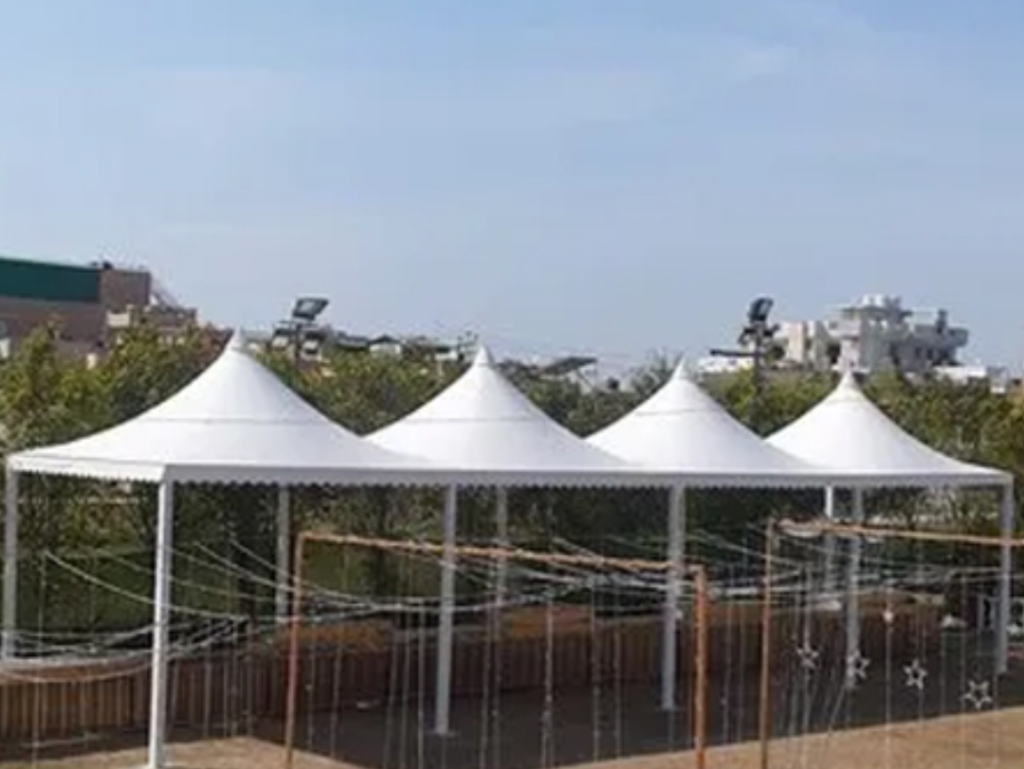
Outdoor spaces are becoming an important part of modern homes, gardens, resorts, restaurants, hotels, and commercial properties. Gazebos and pavilions are two popular structures that can transform an ordinary outdoor area into a comfortable and attractive space for relaxation, entertainment, dining, and events.
But what is the difference between a gazebo and a pavilion? Which one is better for your outdoor space? In this guide, we will compare gazebos vs pavilions, their benefits, uses, materials, and important factors to consider before buying.
What Is a Gazebo?
A gazebo is a freestanding outdoor structure, usually designed with an open or partially enclosed layout and a distinctive roof. Traditional gazebos are often found in gardens, parks, backyards, and resorts.
Gazebos are available in different shapes, including round, square, rectangular, and octagonal designs. They can be made from wood, metal, aluminium, or other durable materials.
A garden gazebo can create a dedicated seating area while also adding an attractive architectural element to your property.
Popular Uses of Gazebos
- Garden seating areas
- Backyard relaxation spaces
- Outdoor dining
- Poolside seating
- Wedding and event decoration
- Resort and hotel landscaping
- Outdoor cafés and restaurants
- Family gatherings
What Is a Pavilion?
A pavilion is generally a larger and more open outdoor structure designed to provide shade and shelter. Unlike many traditional gazebos, pavilions commonly have a simple roof supported by strong posts.
An outdoor pavilion can accommodate larger groups, making it suitable for parties, events, restaurants, resorts, community spaces, and large gardens.
Pavilions can be constructed using wood, steel, aluminium, or a combination of materials depending on the required durability and design.
Gazebo vs Pavilion: What Is the Difference?
Although both structures provide shade and enhance outdoor areas, they have some important differences.
| Feature | Gazebo | Pavilion |
|---|---|---|
| Typical Size | Small to medium | Medium to large |
| Design | Decorative and architectural | Simple and spacious |
| Shape | Often octagonal, round or square | Usually rectangular or square |
| Best For | Gardens, homes, seating | Events, resorts, dining |
| Capacity | Small groups | Larger groups |
| Privacy | Can be partially enclosed | Usually more open |
| Appearance | Decorative | Functional and spacious |
If you want a decorative structure for a garden or backyard, a gazebo may be the better option. If you need a larger covered area for gatherings or commercial use, a pavilion can be more practical.
Benefits of Gazebos and Pavilions
1. Protection From Weather
A properly designed structure provides protection from strong sunlight and light rain. This allows you to use your outdoor space more comfortably throughout the year.
2. Improved Outdoor Living
A gazebo or pavilion can turn an unused garden or backyard into an outdoor living area for relaxing, dining, reading, or entertaining guests.
3. Attractive Property Feature
A well-designed gazebo can improve the visual appeal of a home, resort, hotel, or commercial property.
4. Flexible Design Options
Modern outdoor structures are available in numerous sizes, roof styles, colours, materials, and finishes, allowing you to select a design that complements your property.
5. Ideal for Events
Large pavilions are particularly useful for weddings, parties, corporate events, outdoor dining, and other gatherings.
How to Choose the Right Gazebo or Pavilion
Before purchasing an outdoor structure, consider the following factors.
Size and Available Space
Measure your available outdoor area before selecting a structure. Make sure there is enough space around the structure for movement, furniture, and maintenance.
Material
Wood offers a natural and traditional appearance, while metal and aluminium can provide a modern look with durability and relatively easy maintenance.
Roof Design
The roof should provide sufficient shade and protection while complementing the overall design of your property.
Purpose
Think about how you will use the structure. A small garden gazebo may be ideal for relaxing, while a large pavilion may be better for outdoor dining or events.
Climate
Consider your local weather conditions. Areas with heavy rain, strong winds, or intense sunlight may require stronger materials and suitable roofing systems.
Gazebos and Pavilions for Homes and Businesses
For homeowners, a garden gazebo can create a peaceful outdoor retreat. It can be furnished with chairs, sofas, tables, lighting, and decorative plants.
For businesses, pavilions can create valuable outdoor areas for customers. Hotels, resorts, restaurants, cafés, event venues, and recreational properties can use outdoor pavilions to increase usable space and improve the customer experience.
Maintenance Tips
Regular maintenance can help extend the life of your gazebo or pavilion.
- Clean the roof and structure regularly.
- Check joints, posts, and fasteners for damage.
- Inspect the roof after heavy rain or storms.
- Treat wooden structures according to the manufacturer’s recommendations.
- Remove standing water and accumulated debris.
- Repair minor damage before it becomes a major problem.
Frequently Asked Questions
Are gazebos and pavilions the same?
No. Both provide outdoor shelter, but gazebos are generally more decorative and compact, while pavilions are usually larger and designed for open, spacious areas.
Which is better, a gazebo or pavilion?
It depends on your requirements. A gazebo is generally suitable for gardens, backyards, and smaller seating areas, while a pavilion is better for larger gatherings, events, restaurants, and resorts.
What materials are used for gazebos?
Gazebos can be made from wood, aluminium, steel, and other outdoor-rated materials. The best material depends on the design, climate, budget, and maintenance requirements.
Can a gazebo be used for outdoor dining?
Yes. A gazebo can be furnished with a dining table and chairs, making it an attractive outdoor dining area for homes, restaurants, and resorts.
Are pavilions suitable for commercial properties?
Yes. Outdoor pavilions are commonly suitable for hotels, resorts, restaurants, event venues, parks, and other commercial spaces where additional covered outdoor space is required.
Final Thoughts
Gazebos and pavilions are excellent ways to make outdoor spaces more functional, comfortable, and visually appealing. While gazebos are often preferred for decorative garden and residential applications, pavilions offer more space for larger gatherings and commercial activities.
The right choice ultimately depends on your available space, purpose, design preferences, climate, material, and budget. By carefully comparing these factors, you can choose an outdoor structure that adds long-term value and usability to your property.